 ESPAÑOL
  English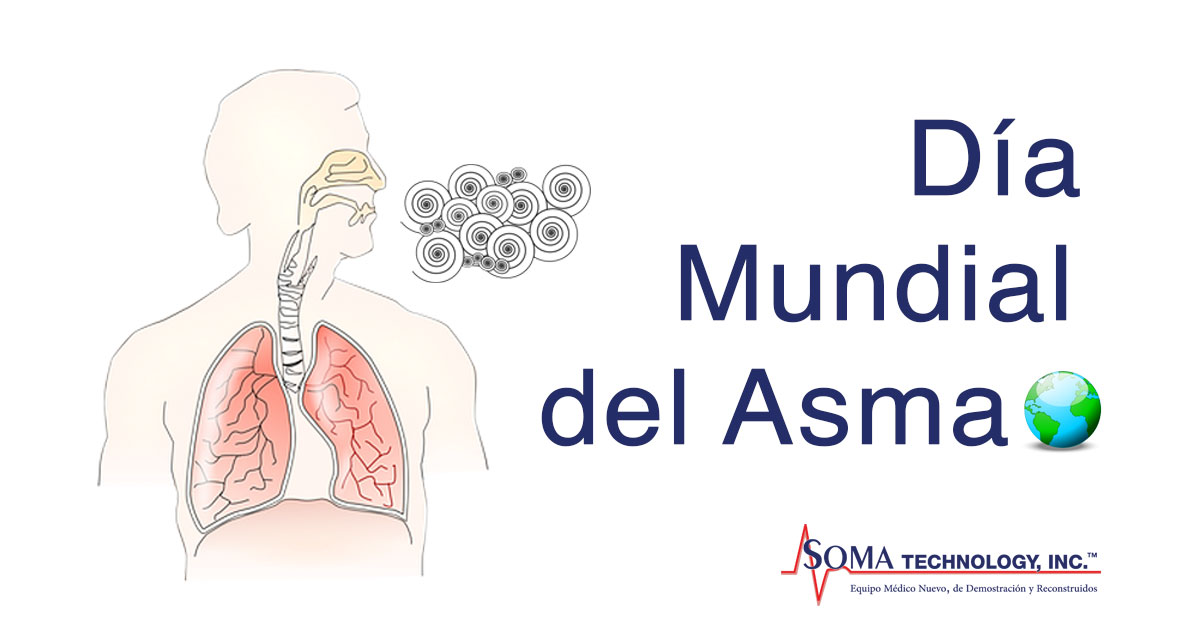
Asthma is a lung disease that can affect anyone. Children and adults can develop asthma at any time. No matter their physical condition, anyone can develop a breathing problem. Do you know anyone who has asthma? Around 8%, or 1 in 12 people worldwide, suffer from asthma.
What is asthma?
Asthma is what happens when you try to breathe, and your airways narrow and fill with mucus. Asthma can range from mild to life-threatening. The Mayo Clinic defines asthma symptoms as: «shortness of breath, chest tightness or pain, trouble sleeping, wheezing, coughing, and wheezing attacks that are aggravated by a respiratory virus.»
Asthma can become a significant problem if it significantly interferes with your lifestyle or becomes more persistent. Some people may trigger asthma from exercise or from any foul-smelling odor, such as fumes, irritants, dust, or chemicals. If you think you have asthma, please see your primary care physician.
Tips for managing asthma
- Identify what may trigger your asthma: dust, allergens, irritants, exercise quota
- Quit smoking
- Lose weight
- Avoid exhaust fumes
- Get vaccinated against the flu
- Bring your inhaler
- Stop whatever you are doing when you feel symptoms
- Decontaminate your home by cleaning and getting rid of mold.
- Use an air conditioner to keep pollen out of your home
- Clean any pet dander
How does an inhaler work?
An inhaler works by spraying medication directly into the mouth and inhaling it. These modifiers work to clear the airways, dilate the bronchi in the lungs, and restore lung function. Inhalers are useful because they work almost immediately.
Final thoughts
Unfortunately, asthma is a lifelong condition. Attacks will occur less frequently if you know what triggers your asthma and come prepared. Carrying an inhaler is important and can save lives. Some doctors may prescribe medications for long-term asthma control.
Do you have asthma? How does it affect you? Would you consider having an active lifestyle despite your diagnosis? Do you always carry your inhaler with you? Do you think this article has raised awareness about World Asthma Day? Comment below!

