 ESPAÑOL
  English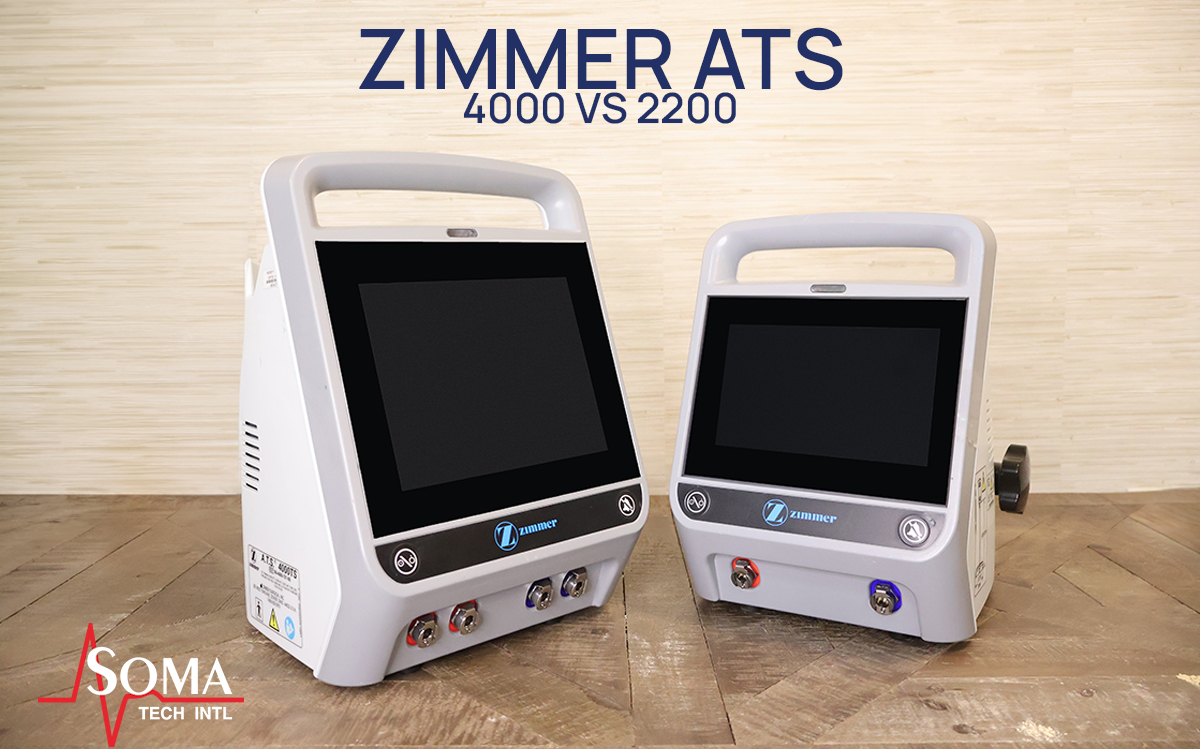
«`html
- What is a turnstile?
- The Story of a Turnstile
- General Comparison between Zimmer ATS 4000 and 2200
- Zimmer ATS 4000
- Zimmer ATS 2200
- Zimmer’s Story
- Remanufactured Turnstiles
- Final Thoughts
In the medical field, tourniquets play a crucial role in controlling blood flow during surgery or traumatic injuries. Zimmer, a renowned medical device manufacturer, offers two popular tourniquet models: the ATS 4000 and the ATS 2200. This blog post aims to provide a comprehensive comparison of these two tourniquets, highlighting their features, benefits, and limitations. By the end, you will have a clear understanding of which tourniquet best suits your specific needs.
To learn more about our two turnstile products, please continue reading below.
WHAT IS A TOURNIQUET?
A tourniquet is a medical device designed to apply pressure to a patient’s limbs and restrict blood flow. These devices have several applications, such as:
Operating rooms
Tourniquets are used during surgery to create a bloodless surgical area and minimize blood loss in procedures such as orthopedic and plastic surgery. They are also used in intravenous regional anesthesia to prevent the spread of local anesthetics.
Emergencies
In cases of severe external bleeding due to trauma, tourniquets are used to stop the bleeding and save lives. Emergency medical services commonly use tourniquets along with other methods to control bleeding.
The Story of a Turnstile
The historical origins of tourniquets date back to antiquity . The technique of applying pressure to control bleeding has been around for thousands of years. Ancient civilizations such as the Egyptians and Greeks used simple materials like cloth or leather strips to stop the flow of blood during surgical procedures or after battles. While these ancient methods may seem basic today, they laid the foundation for advancements in medical care.
As the years passed, so did the inventions and modifications. The adoption of tourniquets became widespread during the Napoleonic Wars in the early 19th century. Military surgeons began using metal tools that could be adjusted to apply pressure more consistently and precisely. These advancements represented a major step forward in the efficiency and reliability of tourniquets, ultimately leading to the saving of countless lives on battlefields across Europe and beyond.
Dr. Rudolph Matas revolutionized surgical procedures with the invention of the Matas Compressor, a specialized vascular device that effectively stopped blood flow during operations. This innovative device, created in the late 19th and early 20th centuries, greatly improved bleeding control compared to previous methods.

Advances in surgical procedures and anesthesia in the 20th century led to the adoption of tourniquets as standard surgical practice. The introduction of pneumatic tourniquets, which use air pressure for inflation, improved the accuracy and safety of tourniquet application in medical settings. Furthermore, greater emphasis was placed on establishing standardized tourniquet guidelines during this period to improve patient outcomes and minimize potential risks.
GENERAL COMPARISON BETWEEN ZIMMER ATS 4000 AND 2200
[table “31” not found /]
ZIMMER ATS 4000

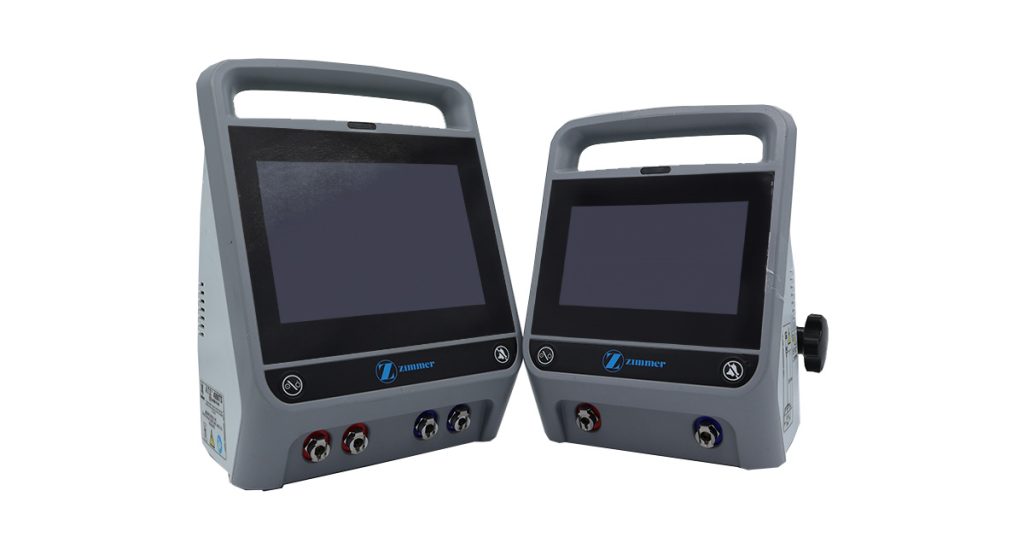
The Zimmer ATS 4000 is a tourniquet system used to temporarily restrict blood flow to a patient’s limbs during surgery. It was specifically developed to provide customized pressure levels for each individual. By delivering different pressures at precise intervals for specific limbs, the Zimmer ATS 4000 ensures optimal performance. Furthermore, this system features a dual cuff with IVRA automatic locking, effectively preventing accidental cuff release and ensuring intentional deflation of the second cuff. Zimmer also prioritizes patient safety by offering lower tourniquet pressure, which helps minimize the risk of nerve injury and reduces postoperative pain.
ZIMMER ATS 2200

ZIMMER ATS 2200
The Zimmer ATS 2200 is an automated tourniquet system with a single-port, dual-cuff touchscreen design. This advanced system is equipped with technology that can detect an occlusion in the line between the machine and the cuff, reducing the chances of inadvertently maintaining tourniquet cuff pressure. The Zimmer ATS 2200 continuously monitors the cuffs for even slight variations during surgery, alerting users to potential cuff or tubing leaks.
- 7” color touchscreen
- Tabletop or pole-mounted design
- Lithium-ion battery with a lifespan of up to 6 hours of operation.
- Single-port dual wristband system.
- Minimum/maximum pressure of 50/600 mmHg.
REFURBISHED TURNIQUETS
Soma Tech Intl offers the Zimmer 4000 ATS and 2200 models at 50% below the original manufacturer’s prices, along with the same service and warranty as new. Soma Tech supplies medical equipment from leading manufacturers . Soma Tech Intl is ISO 13485 certified to guarantee the highest quality in every piece of capital medical equipment they offer. Before shipment, each Wilson table undergoes rigorous quality control testing to ensure optimal performance.
Additionally, if you would like to order either of the two turnstiles shown, you can contact us at 1-800-438-7662 or email us at soma@somatechnology.com . One of our expert sales representatives can assist you with any further questions you may have.
FINAL THOUGHTS
Selecting the right tourniquet is crucial for healthcare professionals, as it directly impacts patient safety and surgical outcomes. This blog post has explored the features, benefits, and considerations of the Zimmer ATS 4000 and 2200 tourniquets , enabling readers to make an informed decision based on their specific needs.

