 ESPAÑOL
  English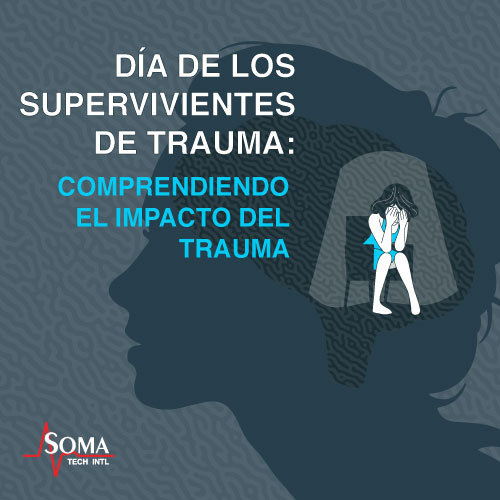

- What is Trauma and How Does It Affect Mental Health?
- The Different Types of Trauma
- Examples of Possible Traumatic Events and Experiences
- How does trauma affect physical health?
- What is Post-Traumatic Stress Disorder (PTSD)?
- The Stigmatization of Trauma
- Types of Stigmata
- Trauma Survivors Day
- The Importance of Healing and Resilience
- Treatments and Resources
- Final Thought
Since May is known as Mental Health Month , it’s also important to highlight Survivors of Trauma Day, which is today, May 18. For a long time, trauma issues have often been misunderstood and stigmatized. With increased mental health awareness becoming more widespread, our overall understanding of trauma has begun to improve. However, this topic remains misunderstood by many. Read on to understand the impact of trauma.
WHAT IS TRAUMA AND HOW DOES IT AFFECT MENTAL HEALTH?
Trauma is defined as the experience or witnessing of events involving death or the threat of death, serious injury, or violence. Trauma occurs when a frightening event or situation overwhelms a child’s or adult’s ability to cope with what has happened. Examples of trauma include natural or man-made disasters—such as hurricanes and school shootings—serious car accidents, physical or sexual abuse , and domestic violence. Some trauma experts broaden the definition to include any stressful event that significantly affects a person’s daily functioning, such as at work or in personal relationships.
The terms «traumatic events» and «traumatic experiences» refer to what happened, for example, the hurricane or the violence. The term «effects» of traumatic events and experiences refers to the resulting thoughts, feelings, behaviors, or changes in relationships. The Substance Abuse and Mental Health Services Administration (SAMHSA) refers to traumatic events and experiences, and the effects of these events and experiences, as «The Three Es of Trauma: Events, Experiences, and Effects.»
THE DIFFERENT TYPES OF TRAUMA
There are several types of trauma, including:
- Acute Trauma : It is the result of a single stressful or dangerous event.
- Chronic Trauma : The result of repeated and prolonged exposure to highly stressful events. Examples include cases of child abuse, bullying, or domestic violence.
- Complex Trauma : It is the result of exposure to multiple traumatic events.
- Intergenerational Collective Trauma : This trauma is characterized by psychological or emotional difficulties that can affect different communities, cultural groups, and generations. Adaptive coping patterns can be transmitted across generations.
- Secondary Trauma : A person develops symptoms of trauma from close contact with someone who has experienced a traumatic event.
EXAMPLES OF POSSIBLE TRAUMATIC EVENTS AND EXPERIENCES
Traumatic events can be experienced or witnessed. They can be sudden and brief or long-lasting. Here are several examples of events that can cause traumatic effects:
- Diagnosis of a serious illness or medical condition
- Chronic medical or mental conditions, as well as some highly invasive medical procedures
- Prolonged separation of family members
- Death of a parent or loved one
- Childhood abandonment
- Physical and sexual abuse
- Alcohol or substance use disorders
- Chronic marital or relationship disagreements
- Domestic violence
- Systemic discrimination, racism, oppression, and genocide
- Unemployment or underemployment
- Lack of housing
- Poverty
- Violence in the community
- War-related violence
- Displacement and other refugee experiences
- Environmental disasters, such as pandemics , hurricanes, forest fires , and earthquakes
- Human-caused disasters, such as school shootings, terrorist attacks, and wars
HOW DOES TRAUMA AFFECT PHYSICAL HEALTH?
Along with an emotional reaction, people who suffer trauma may experience different physical symptoms such as:
- Headaches
- Digestive symptoms
- Fatigue
- Racing heartbeat
- Sweating
- Feeling of nervousness
Sometimes, a person will also experience hyperactivity, or a feeling of being in a constant state of alertness. This can make it difficult to sleep . People may also develop other mental health problems, such as depression, anxiety, stress , and substance abuse issues.
WHAT IS POST-TRAUMATIC STRESS DISORDER?
Post-traumatic stress disorder (PTSD) is a psychological disorder that develops in response to a traumatic event. The body responds to trauma by releasing adrenaline, the stress hormone that triggers the «fight or flight» response. This adrenaline stimulates the amygdala , the part of the brain that plays a significant role in emotions, behavior, and fear processing . This system overreacts with disproportionate fear responses to ordinary situations. Although the symptoms of traumatic stress and PTSD are similar immediately after the event, they progress differently. In PTSD, the mind remains in a state of psychological shock: instead of feeling a little better each day, the symptoms persist and interfere with normal functioning.
There are three main types of symptoms:
- Re-experiencing the trauma through intrusive flashbacks and/or nightmares.
- Emotional numbness and avoidance of places, people, and activities that remind them of the trauma.
- High arousal: trouble sleeping, difficulty concentrating, feeling nervous, irritability.
For most people, symptoms will begin immediately after a traumatic event, but some may not develop symptoms until weeks, months, or even years later. It’s important to be aware of the signs so that if you encounter difficulties later, you can seek help. If you are experiencing some of these symptoms now, consider getting tested for PTSD.
THE STIGMATIZATION OF TRAUMA
The stigma surrounding mental illness, and traumas like PTSD in particular, is strong. Stereotypes that portray people with PTSD as dangerous, unpredictable, incompetent, or to blame for their illness can reinforce this stigma. People with PTSD may also fear shame or embarrassment, and if they seek help, they may fear hospitalization. To make matters worse, these misconceptions are often masked by widespread acceptance within cultures and among individuals. Some of the common challenges many survivors struggle with after traumatic experiences include decreased self-esteem and feelings of worthlessness. When survivors are inundated with messages that further attack, blame, and disempower them, feelings of helplessness, confusion, and worthlessness can intensify. These messages can quickly become internalized and part of the survivor’s self-narrative.
As a result, this can easily isolate survivors, making them feel alone in their struggles. That’s why it’s important that they are not further traumatized by the negative attitudes, beliefs, and behaviors of those around them. One of the best tools we have for removing these stigmas of trauma is awareness. As misconceptions are identified for what they are, they can be openly challenged within individuals, systems, and cultures, and survivors can receive better support (both from themselves and others).
TYPES OF STIGMAS
Some examples of the types of stigma related to mental health conditions and trauma include:
- Public stigma: The general public adopts stereotypes and discriminates against the person with a mental illness.
- Self-stigma: The person with a mental illness internalizes the beliefs of others.
- Avoidance of labeling: If a person with a mental illness perceives social stigma, they will avoid being labeled by not seeking treatment.
- Structural stigma: For example, it includes social and institutional policies and practices that can affect health coverage and legal matters.
TRAUMA SURVIVORS DAY
As a reminder, National Trauma Survivors Day is today, Wednesday, May 18. In 1988, Ronald Reagan recognized the need for trauma awareness and established May as the month to dedicate our time and resources to increasing education and prevention activities. This observance aims to inspire and support survivors of traumatic experiences and their caregivers, paving the way for their recovery. During this event, we encourage everyone who supports these individuals to write them an inspirational note to help them in their recovery process.
THE IMPORTANCE OF HEALING AND RESILIENCE
When dealing with trauma, it’s important to focus on the healing and resilience process. The healing process repairs disruptions to our health and well-being. It leads us to regain our abilities and functions. Along the way, we can grow in ways that build new strengths. Healing from a traumatic event doesn’t mean we forget the event or erase its effects. On the contrary, the event and its effects can, over time, be remembered, understood, and felt in new ways. Remembering, understanding, and feeling in new ways can reduce the distress caused. This process can uncover and expand personal strengths that we might otherwise never have recognized.
TREATMENTS AND RESOURCES
There are a variety of trauma therapy treatment options that can help treat trauma and PTSD. Some have been used for decades, while others have only emerged in recent years. These therapies may not be for everyone. However, they have proven effective for most patients dealing with traumatic events.
- Psychotherapy
- Cognitive-behavioral therapy
- Cognitive processing therapy
- Dialectical behavior therapy
- Eye Movement Desensitization and Reprocessing (EMDR) Therapy
- Group therapy
- Brainspotting Therapy
While many people will seek help to process their trauma, others will not. There is nothing wrong with seeking help. If you are ready to make a change and seek help, be sure to schedule an appointment with a therapist you feel most comfortable with. In addition to seeking therapy, it is important to emphasize self-care. Practicing self-care can help people cope with the emotional, psychological, and physical symptoms of trauma. Some examples of self-care for trauma include exercise, mindfulness, connecting with others, and maintaining a balanced lifestyle.
Above all, remember that it’s never too late to seek help, and you don’t have to face the internal challenges of overcoming suicide alone. If you or someone you know is having suicidal thoughts, a suicide prevention hotline can help. The National Suicide Prevention Lifeline is available 24 hours a day at 800-273-8255. During a crisis, people who are hard of hearing can use their preferred relay service or dial 711 and then 800-273-8255.
FINAL THOUGHT
Most people experience a traumatic event at some point in their lives. Some may experience shock and distress, and most will recover within a short period. However, those who experience persistent or severe trauma symptoms should seek help from a mental health professional. It is especially important to seek help if trauma symptoms interfere with daily functioning or relationships with others. Have you ever had to deal with trauma? How would you cope? Did you find this article helpful? Feel free to share your thoughts in the comments below.

